Introduction:
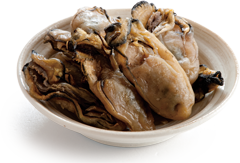
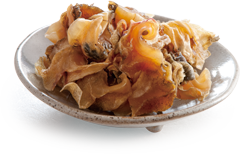
Dried oyster are processed from fresh oysters and suitable for the autumn and winter season. Dried oysters are usually divided into the three types of: dried oyster, sun-dried oyster and half-dried oyster. During New Year and festivals, they are very popular.
- Japanese dried oysters → From Hiroshima, Japan. High quality, bright color, with the edges slightly dark. Strong taste and aroma, rich in oils, plump and dry, excellent for braising, stewing or making soup.
- South Korean dried oysters → From South Korea, also called the "pearl oysters". Round in shape and not as big as Japanese ones. Appear dark green in color, with stronger fishy smell. Suitable for soup or porridge.
- sun-dried oyster → From Guangdong, China. The most famous is Shajing oysters. Choose fat and plump fresh oysters and skew with bamboo sticks. Sun-dried to 80% dry, thus preserving the best of fresh oysters. Plump and smooth, sweet in taste.
- Half-dried oyster → From Shajing in Guangdong, China. Boil Fresh oysters and dry and dehumidify to 50 to 60% dry. Plump and nice body with sweet taste.
 Functions:
Dried oysters are famous for regulating body organs and supplementing weak functions, nourishing the Yin and the blood, invigorating the kidneys and strengthens male functions. Rich in proteins and various nutrients, and is a precious food for improving skin and beauty.
Characteristics:
Sweet in taste, warm in nature.
Processing method:
Soak Japanese dried oysters in water for 2 hours (depending on size) and rinse with water. Ready for cooking.
Way of Storage:
It is better to store Japanese dried oysters in freezer (-18˚C or below).
Other notes:
Japanese dried oysters are great for stewing and making soup to give the aroma and sweet taste, while sun-dried oysters are suitable for frying or steaming and perfect with alcoholic beverages or rice.
 Functions:
 Functions:
 Functions:
 Fuctions:
 Functions:
 Functions:
 Functions: